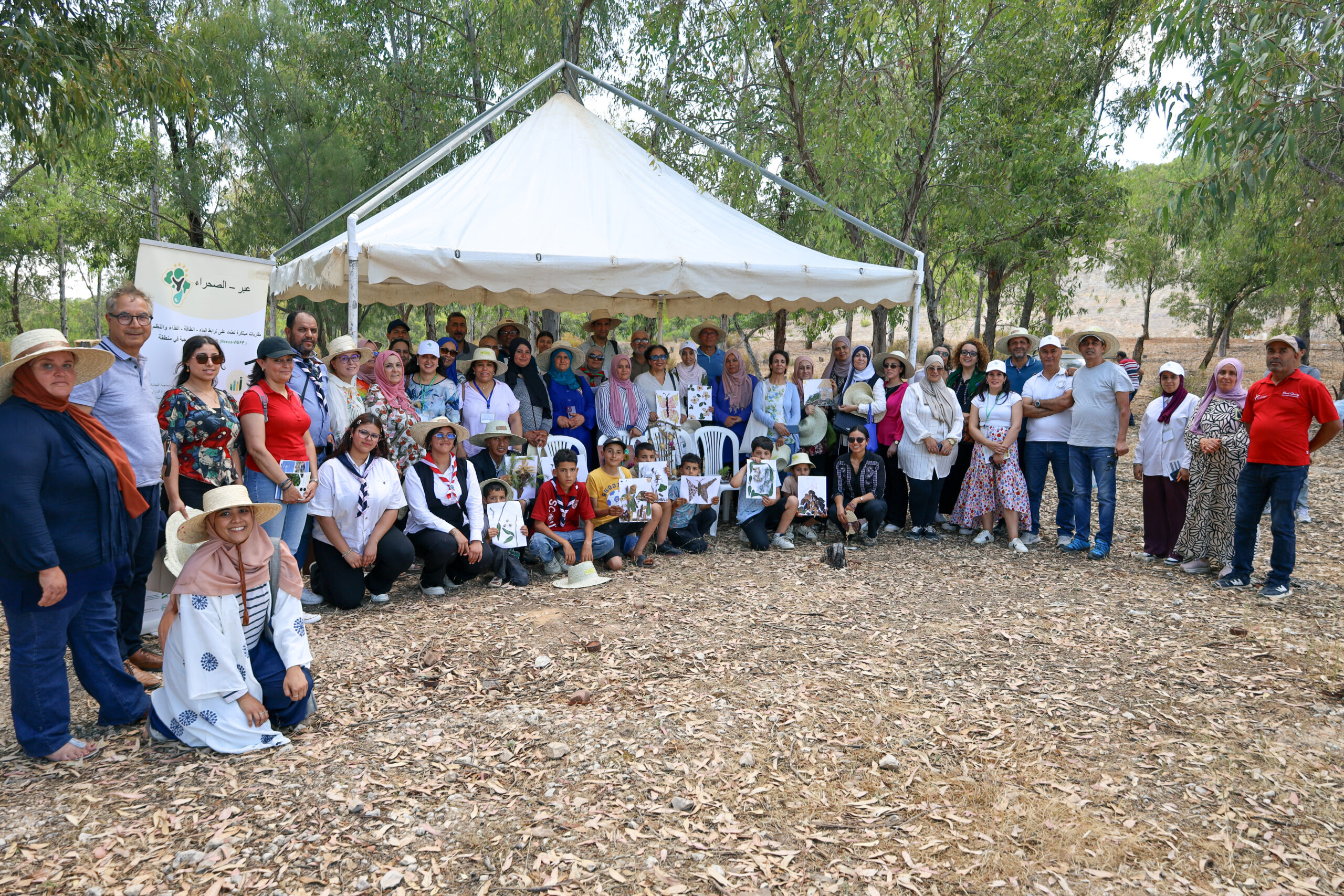
On 17 June 2026, TRANS-SAHARA consortium partner INRGREF (Institut National de la Recherche en Génie Rural, Eaux et Forêts) welcomed local stakeholders, researchers, public authorities, farmers, civil society organisations, and members of the local community to the Seliana Living Lab in El Krib, Tunisia, for a community event entitled “Science, WEFE Nexus and Agroforestry: The Living Territory of El Krib.“
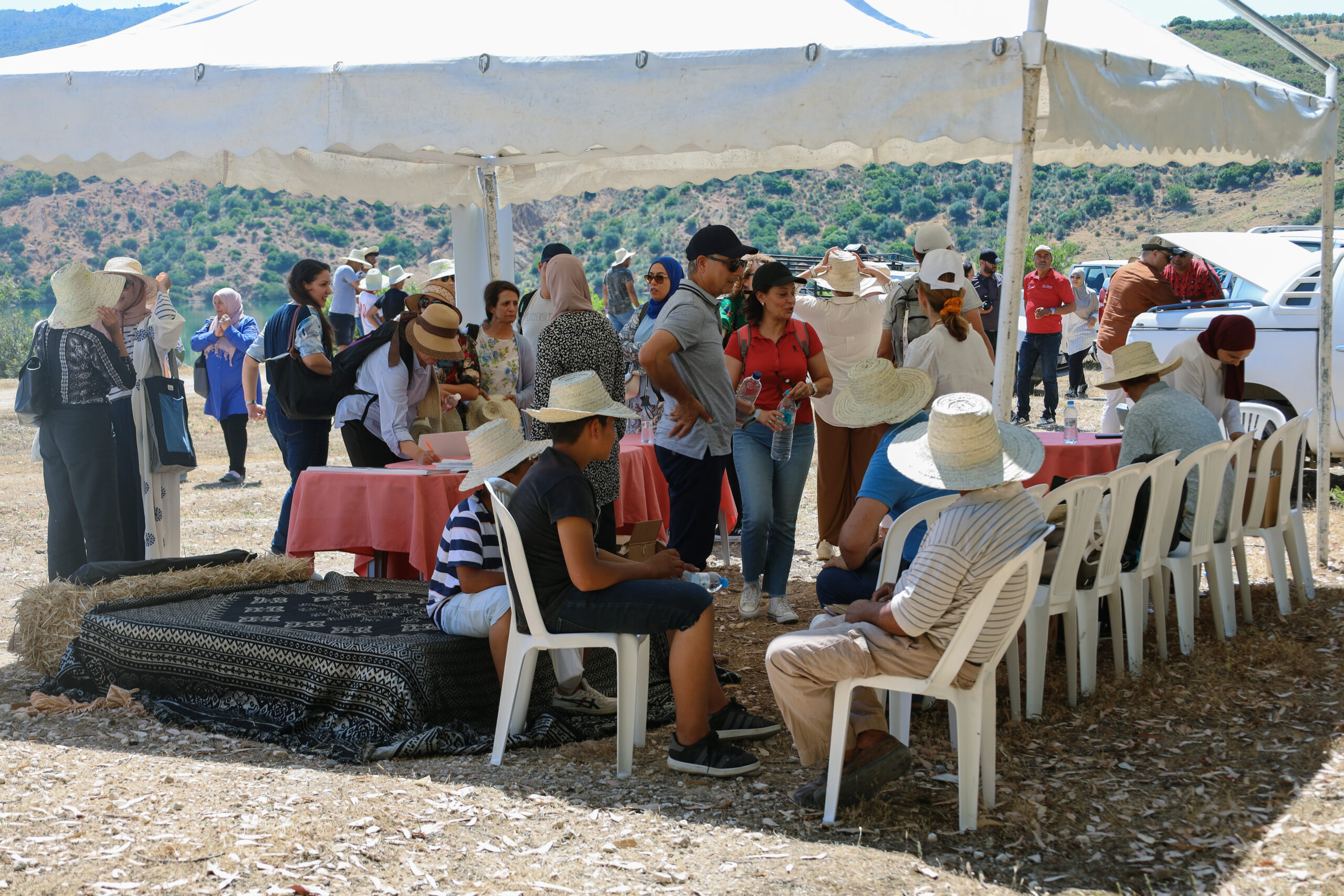
Organised as part of the TRANS-SAHARA project, the event represented an important milestone in the development of the Seliana Living Lab and was designed to strengthen collaboration between science, local communities, and territorial governance. Its primary objectives were to raise awareness of sustainable agroforestry practices and the Water–Energy–Food–Ecosystems (WEFE) Nexus approach, actively involve local stakeholders in the implementation of the project, and establish long-term participatory governance through the creation of a Living Lab Monitoring Committee. The workshop also sought to showcase innovative yet locally adapted agroforestry practices whilst also recognising the importance of traditional knowledge, community participation, and local expertise.
By creating opportunities for dialogue between researchers, farmers, local authorities, civil society organisations, entrepreneurs, women, and young people, the event aimed to strengthen local ownership of the project and ensure that the solutions developed within the Living Lab respond directly to the needs and priorities of the El Krib territory.
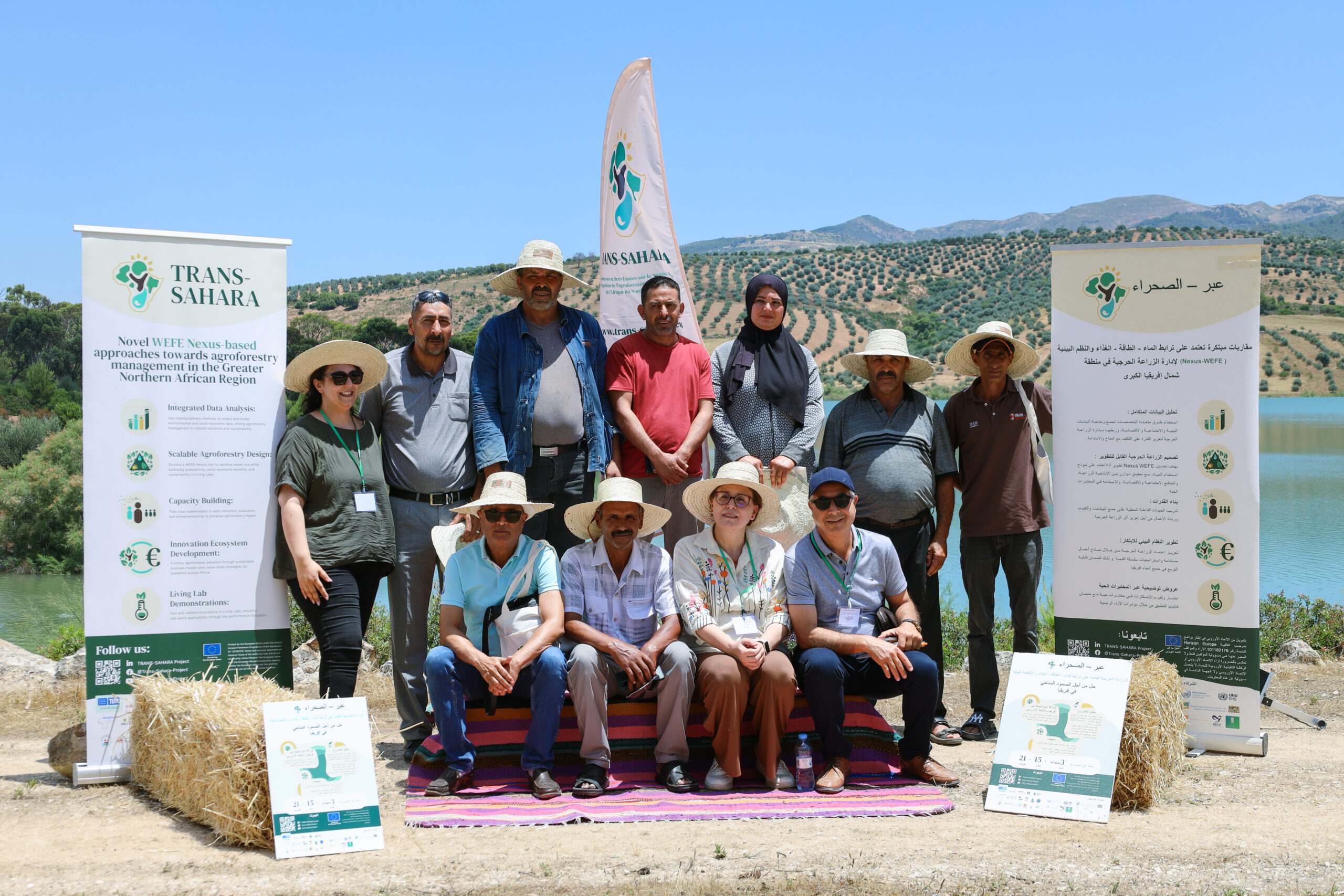
The day began with the registration of participants over a traditional welcome coffee featuring local products, accompanied by a visual exhibition showcasing Tunisia’s agroforestry landscapes. Young people from the local community also played an active role in welcoming participants, reflecting the project’s commitment to engaging future generations in sustainable land management.
The official opening ceremony introduced participants to the TRANS-SAHARA project, its scientific objectives, and the principles of the WEFE Nexus approach. Representatives from INRGREF outlined Tunisia’s role within the project and highlighted how the Living Lab serves as a collaborative space where it is possible to co-design innovative solutions for climate adaptation, sustainable land management, and ecosystem restoration.
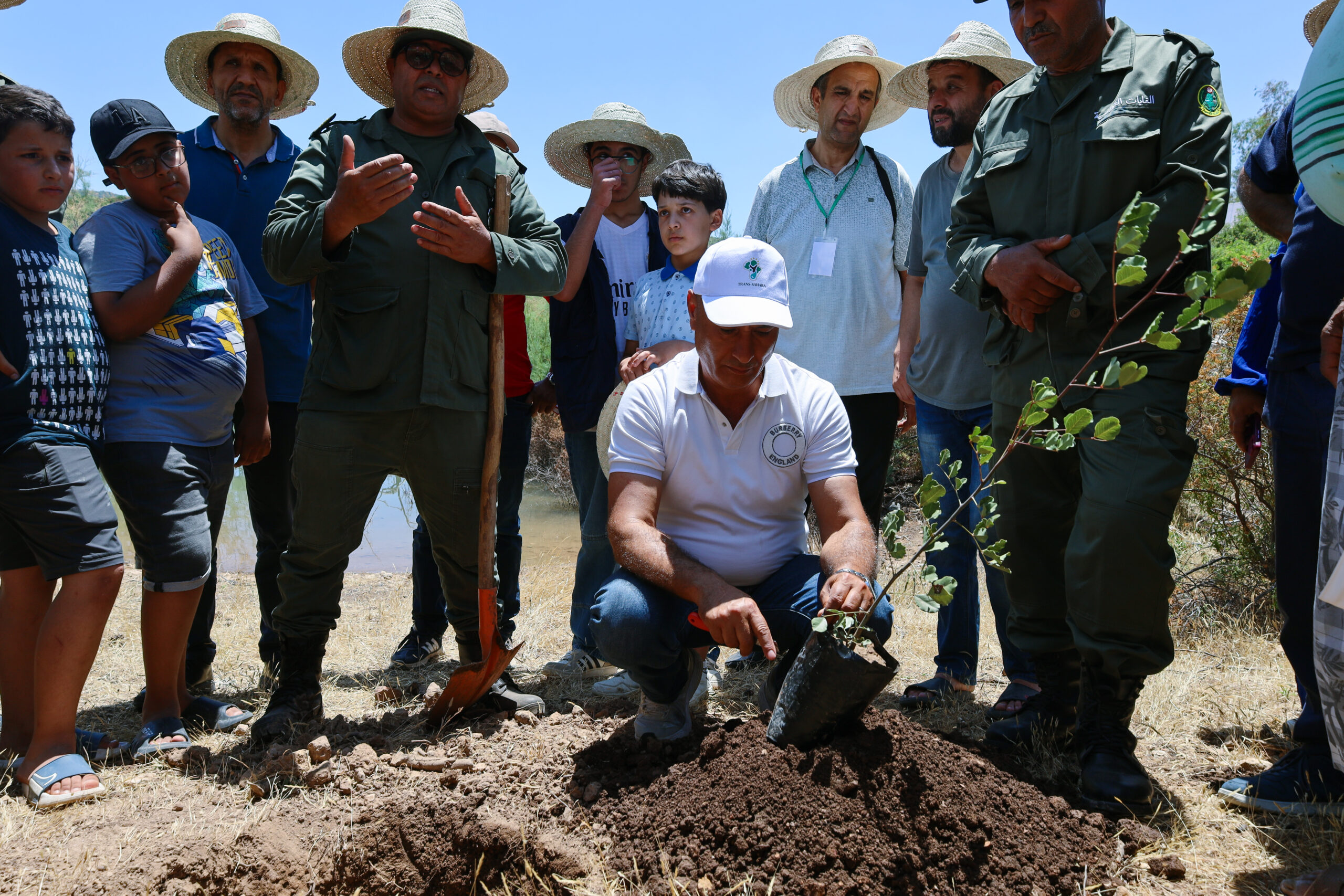
A symbolic tree-planting ceremony followed, representing the collective commitment of project partners, institutions, and local communities to restoring degraded landscapes and building a more resilient future through agroforestry.
Throughout the day, the guests took part in a series of interactive discussions and participatory workshops centred on some of the region’s most pressing environmental and socio-economic challenges. These exchanges created valuable opportunities for researchers, farmers, rural communities, and local authorities to share experiences and identify practical solutions tailored to local conditions. The Living Lab approach encourages this co-creation process, ensuring that scientific research is informed by local realities while empowering communities to play an active role in shaping the project’s activities and future direction.
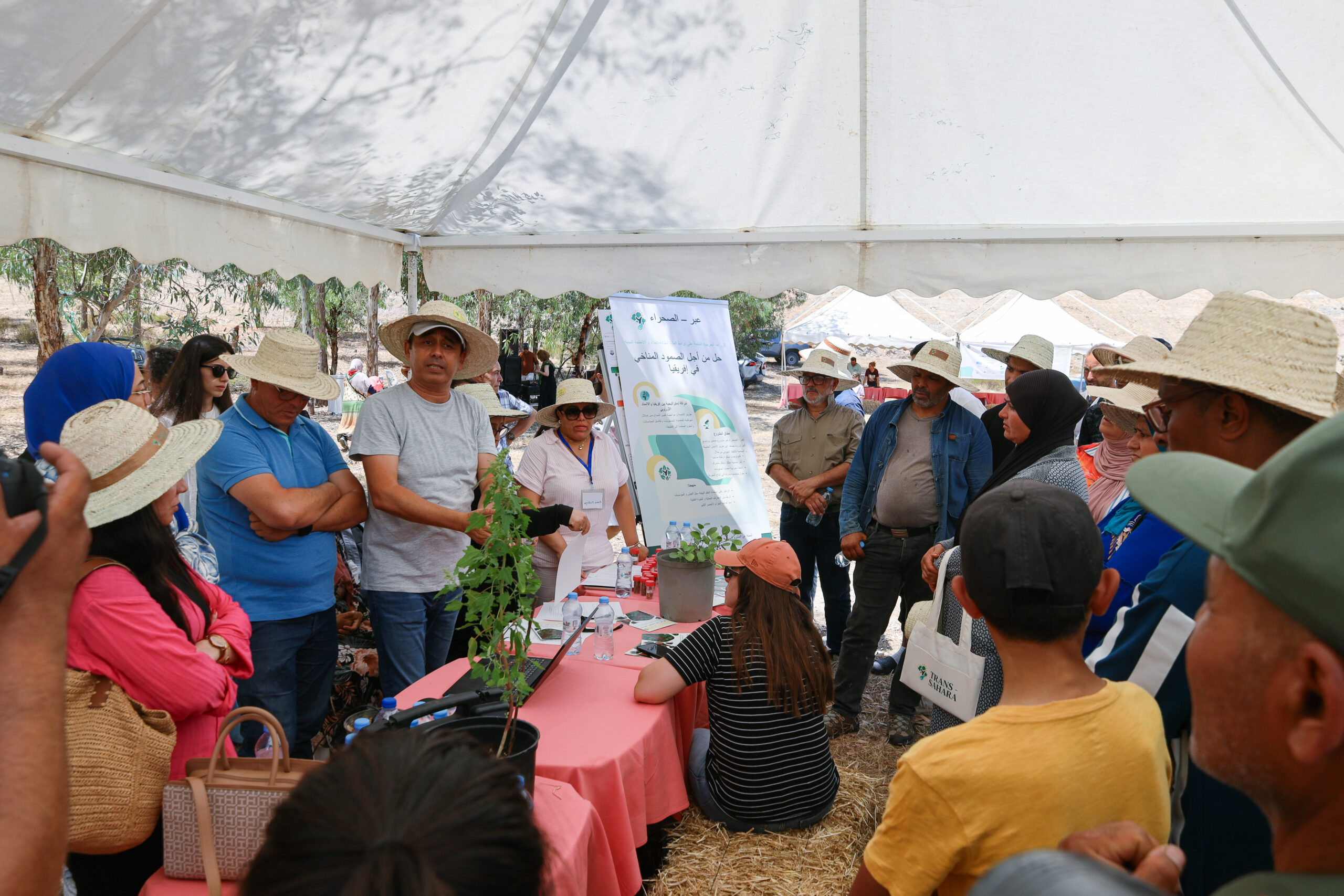
One key outcome of the event was the establishment of the Seliana Living Lab Monitoring Committee, which will support participatory governance, coordinate Living Lab activities, strengthen communication between stakeholders, and help ensure the long-term sustainability of the pilot actions implemented through TRANS-SAHARA.
Alongside the technical discussions, participants were invited to discover local products, traditional foods, and artisanal crafts presented by rural producers, while cultural activities celebrated the rich heritage of the region. These activities reinforced one of the project’s central principles: that sustainable development depends not only on scientific innovation but also on valuing local culture, knowledge, and community engagement.
The workshop concluded with a collective reflection on the future of the Seliana Living Lab and the next phases of the project. The speakers and guests reaffirmed the importance of continued collaboration between research institutions, local communities, public authorities, and civil society organisations to ensure that the solutions developed through TRANS-SAHARA deliver lasting environmental, social, and economic benefits.
Through strengthening local capacities, fostering participatory governance, and promoting integrated WEFE Nexus approaches, the Seliana Living Lab continues to demonstrate how collaborative research can support climate resilience, sustainable agroforestry, and inclusive rural development across the Greater North African region.