
From 13 to 16 July 2026, the TRANS-SAHARA consortium gathered in Kumasi, Ghana, for four days of collaboration, scientific exchange and strategic discussions. Hosted by the Kwame Nkrumah University of Science and Technology (KNUST), the programme brought together around 43 consortium partners and Advisory Board members for the 2nd Executive Board Meeting, while the African WEFE Nexus Summit welcomed approximately 150 participants from academia, government, development organisations, industry and civil society.
TRANS-SAHARA is a Horizon Europe research and innovation project coordinated by the Technical University of Munich (TUM) that promotes sustainable agroforestry management in the Greater North African Region through an integrated Water-Energy-Food-Ecosystems (WEFE) Nexus approach. The week in Kumasi provided an important opportunity to review project progress, strengthen collaboration and engage with a wider community of researchers and stakeholders working towards climate resilience and sustainable development across Africa.
Executive Board Meeting
The week began on 13 July with the first session of the 2nd Executive Board Meeting, where consortium partners reviewed progress across the project and discussed priorities for the next implementation phase.
Discussions focused on stakeholder engagement, the Agroforestry Nexus Living Labs, socio-economic innovations and capacity-building activities. Living Lab leaders from Ethiopia, Ghana, Tunisia, Senegal, Djibouti and Chad presented updates on the activities implemented, planned actions and challenges encountered across the different demonstration sites, creating valuable opportunities for discussion and knowledge exchange across the consortium.
Following the Summit, the Executive Board reconvened on 15 July to review progress on data identification, collection and sensing strategies, the development of the TRANS-SAHARA Models and Agroforestry Intervention Design Tool, communication, dissemination and exploitation activities, and overall project management.
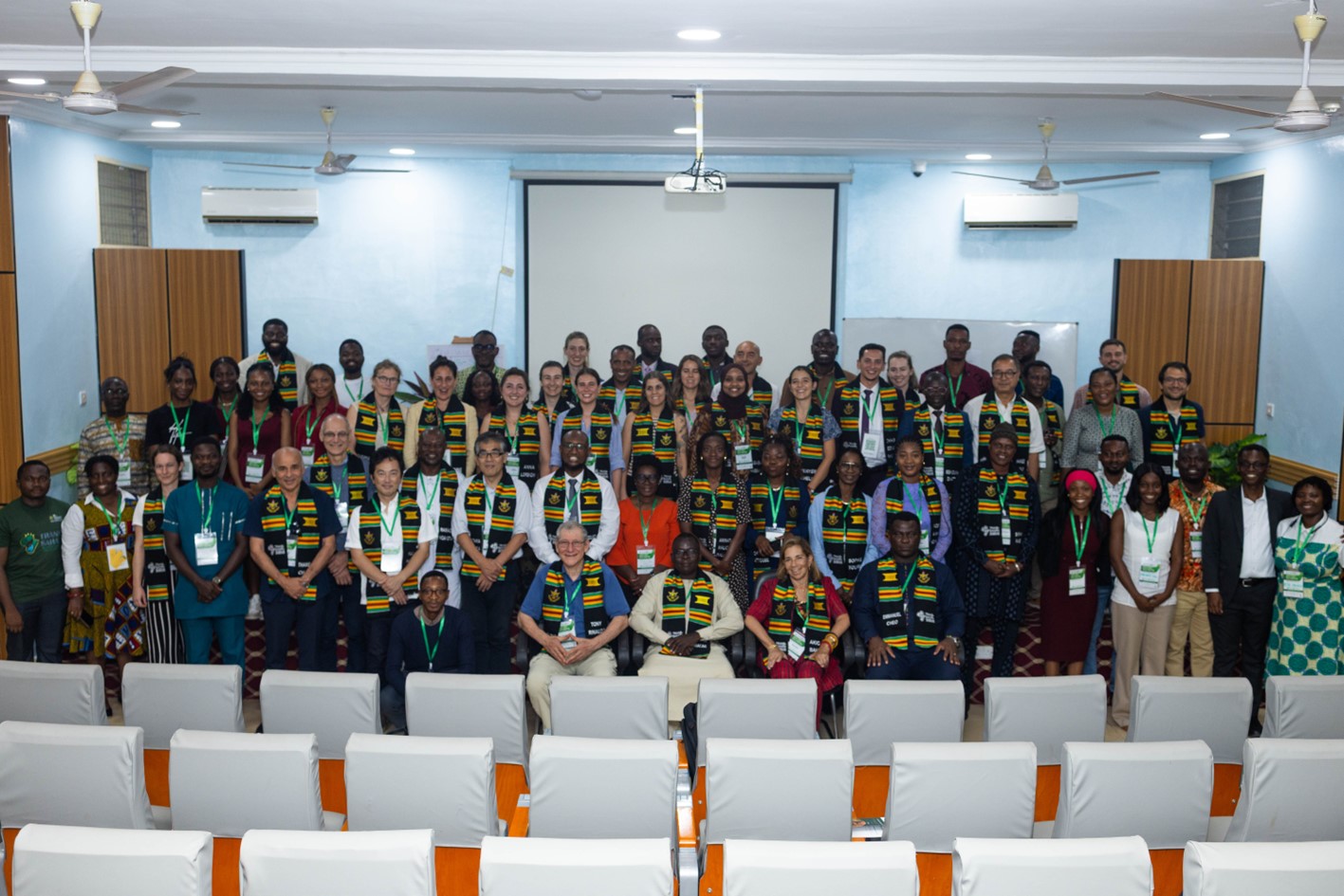
Picture featuring the partners and Advisory Board members attending the meetings in Ghana
The African WEFE Nexus Summit
On 14 July, the focus shifted to the African WEFE Nexus Summit, organised by KNUST through the Technology Consultancy Centre – Centre for Innovation, Manufacturing and Environmental Technologies (TCC-CIMET) as part of the TRANS-SAHARA project.
The Summit aimed to bring together researchers, policymakers, development agencies, private-sector representatives and community organisations to exchange knowledge, showcase innovative climate-smart solutions and strengthen collaboration around integrated WEFE Nexus approaches across Africa.
The programme featured keynote presentations, panel discussions, scientific parallel sessions, poster presentations and exhibitions, providing participants with the opportunity to discuss practical approaches to addressing interconnected challenges related to water, energy, food and ecosystems. Topics included climate change impacts, sustainable food systems, ecosystem restoration, smart water and energy management, policy frameworks and sustainable financing, while highlighting African-led research and innovative solutions.
A key milestone of the event was the official launch of the Africa WEFE Nexus Impact Hub, an initiative designed to stimulate climate-smart water innovation through researcher and student mobility, South–South cooperation and WEFE capacity building.
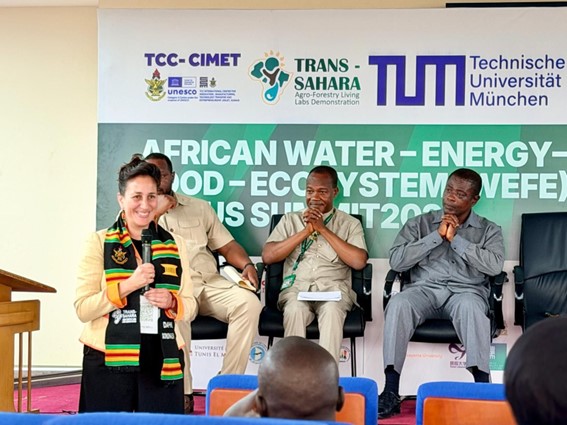
The African WEFE Nexus Summit, Opening session
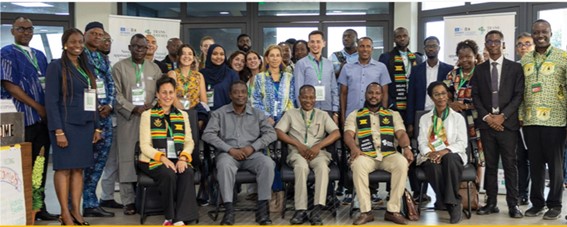
TRANS-SAHARA at the African WEFE Nexus Summit, Kumasi, Ghana
Looking ahead
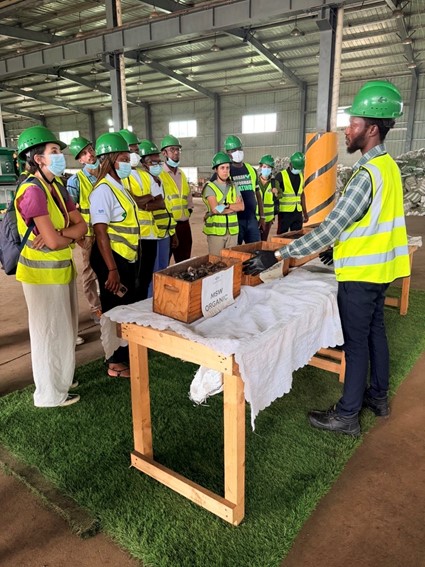
The programme concluded on 16 July with a visit to KCARP in Kumasi, offering participants the opportunity to continue discussions in a practical setting and exchange perspectives on sustainable resource management and circular economy approaches.
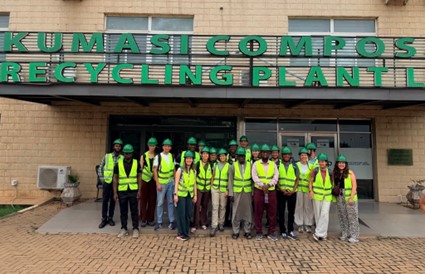
TRANS-SAHARA partners at the KCARP in Kumasi
Beyond the individual sessions, the week in Kumasi demonstrated the value of collaboration in addressing complex sustainability challenges. By bringing together expertise from across Africa and Europe, the Executive Board Meeting and the African WEFE Nexus Summit created valuable opportunities to exchange experiences, strengthen partnerships and continue advancing innovative WEFE Nexus solutions for sustainable agroforestry and climate resilience.
The TRANS-SAHARA consortium warmly thanks KNUST and the TCC-CIMET team for their excellent organisation and hospitality, as well as all consortium partners, Advisory Board members, keynote speakers, researchers and participants whose contributions made these four days such a success.
As TRANS-SAHARA moves into its next phase, the discussions, ideas and collaborations strengthened in Kumasi will continue supporting the project’s ambition to develop innovative WEFE Nexus solutions with lasting benefits for communities across the Greater North African Region.
