
Africa Women’s Day 2026: Women at the Heart of Climate Resilience and Sustainable Land Management
“If Africa is to address its food security challenges, empowering women farmers must be a priority.” – Tacko Ndiaye, UN Food and Agriculture Organisation gender team leader.
Every year on July 31st, Africa Women’s Day celebrates the achievements, leadership, and contributions of women across the continent while recognising the importance of advancing gender equality and women’s participation in shaping Africa’s future.
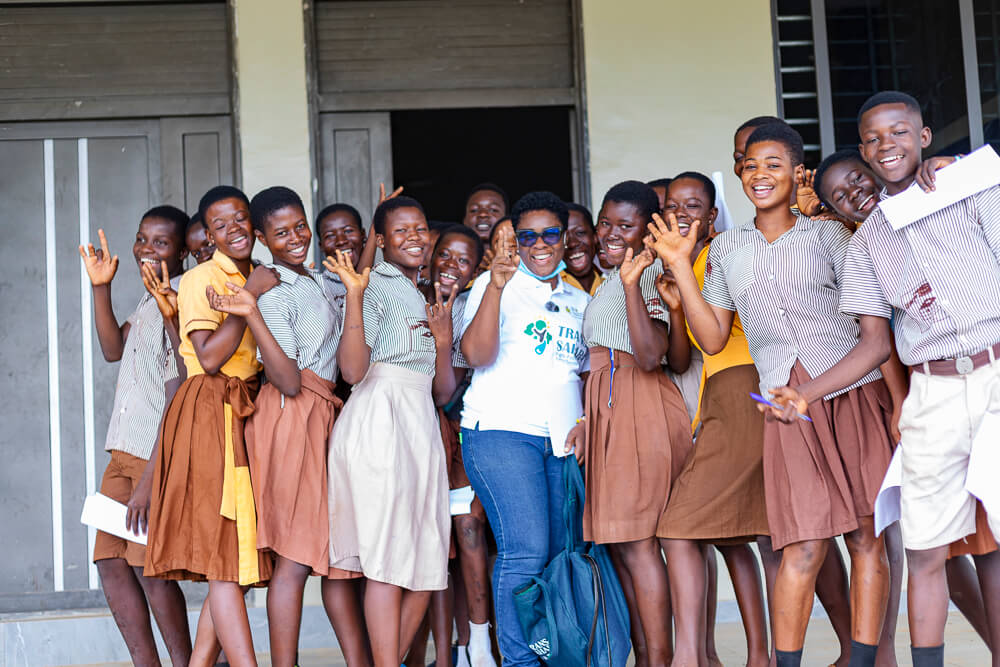
As communities across Africa continue to face the impacts of climate change, biodiversity loss, water scarcity, and land degradation, the role of women in building resilience has never been more important. From managing household water supplies and producing food to restoring degraded landscapes and preserving traditional ecological knowledge, women are central to the sustainable management of natural resources.
Across the Greater North African region, women play a vital role in agriculture and agroforestry systems in different capacities across all segments of value chains. They are often responsible for cultivating crops, collecting water and fuelwood, caring for livestock, and maintaining family livelihoods. At the same time, they are among those most affected by climate-related challenges, including prolonged droughts, declining soil fertility, and increasing pressure on water resources.
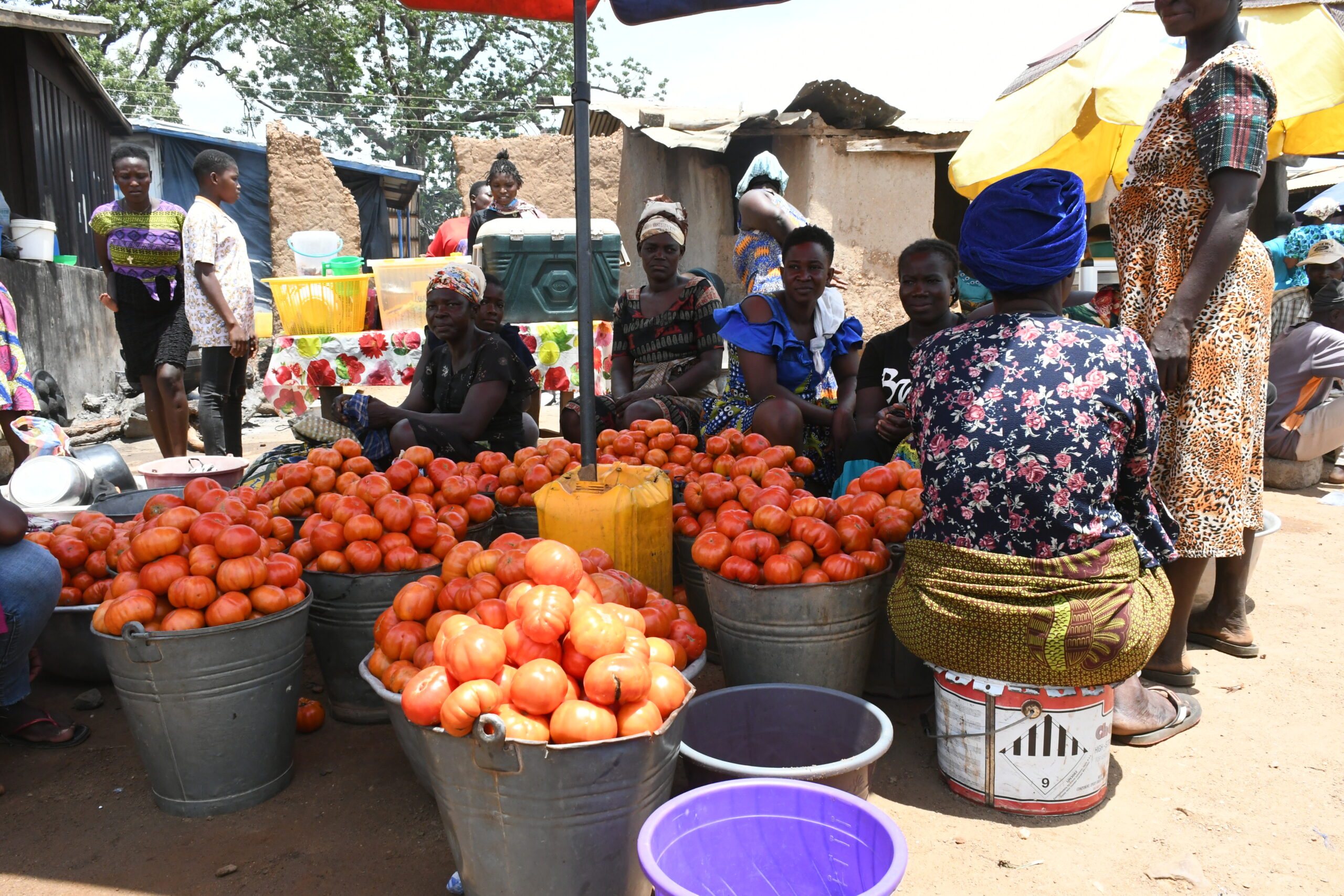
FONAR
Despite these contributions, women frequently face barriers to land ownership, for example, according to the World Bank in 2018, only 13% of women in Sub-Saharan Africa claim sole ownership of property. Food insecurity is prevalent in the region, according to the FAO, 30% of women in the same region aged 15-49 years are experiencing anaemia. Other setbacks include access to financial resources, agricultural training, and participation in environmental decision-making.
Strengthening climate resilience therefore requires more than technological innovation. 2026 marks the International Year of the Woman Farmer (IYWF 2026) which aims to highlight these realities and calls for collective action and increased investments to close gender gaps, strengthen women’s livelihoods and promote their leadership across the agrifood sector.
Nature-based solutions such as agroforestry offer significant opportunities to support both environmental restoration and community wellbeing. By integrating trees into agricultural landscapes, agroforestry can improve soil health, conserve water, increase biodiversity, diversify household incomes, and strengthen resilience to climate change. Ensuring that women are actively involved in the planning, implementation, and management of these systems helps maximise both environmental and social benefits.
The Water–Energy–Food–Ecosystems (WEFE) Nexus recognises that sustainable development depends on understanding the connections between natural resources and the people who manage them. Women’s knowledge, experience, and leadership are essential for developing locally adapted solutions that balance water security, food production, ecosystem restoration, and climate resilience.
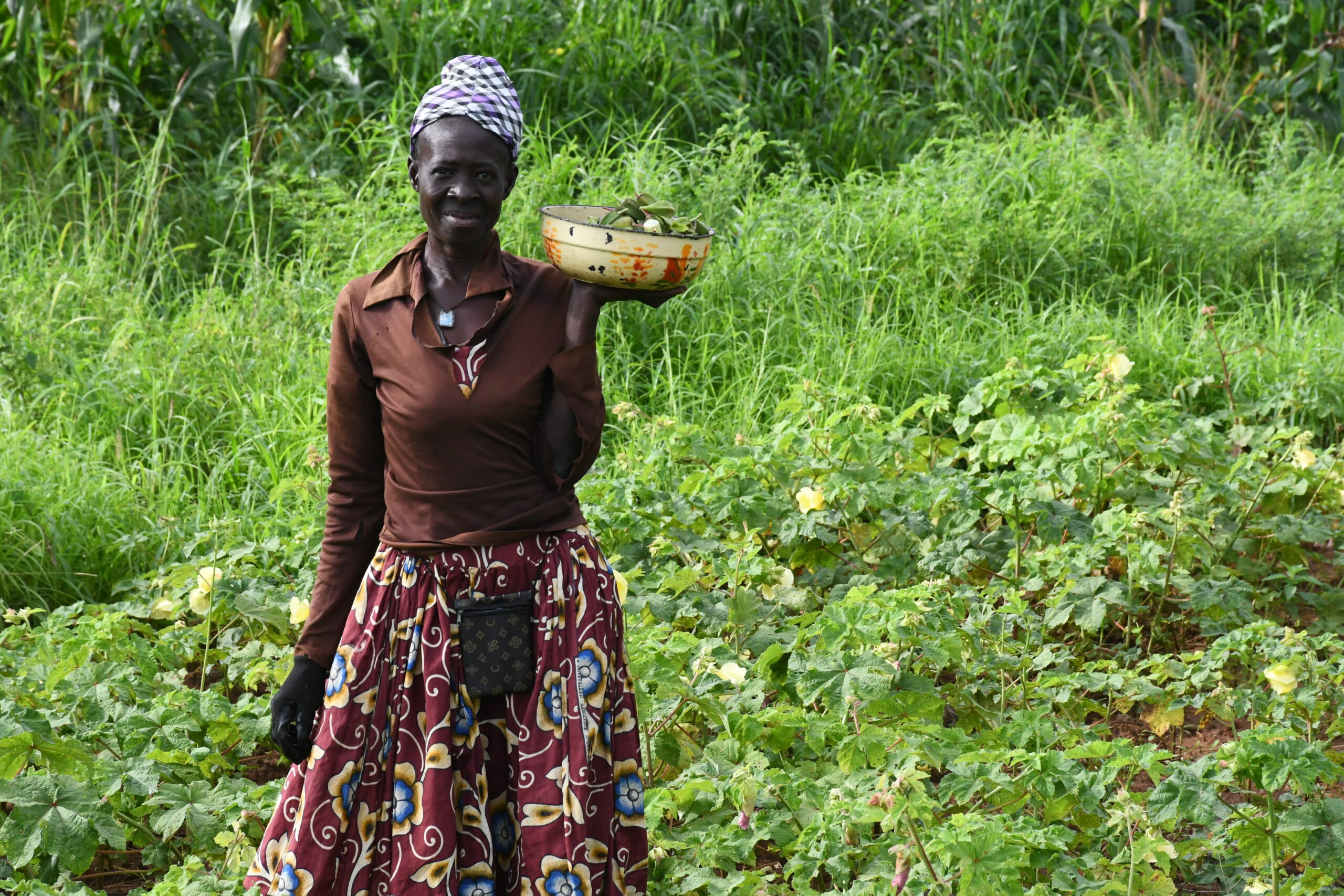
FONAR
Through its Living Labs, the TRANS-SAHARA project promotes participatory approaches that bring together researchers, policymakers, local authorities, farmers, and communities to co-develop practical solutions for sustainable land management. The project aims to develop integrated, circular Water-Energy-Food-Ecosystems (WEFE) value chains, with a specific focus on operationalising women’s involvement within Living Lab contexts. To ensure that women are represented throughout these co-creation processes helps create more inclusive, equitable, and effective outcomes while strengthening local ownership of project activities and positions the WEFE Nexus as a systems-based framework capable of addressing the challenges to women across the agroforestry sector through coordinated technical, institutional and governance innovations.
On this Africa Women’s Day, we celebrate the women whose knowledge, innovation, and leadership contribute every day to healthier landscapes and more resilient communities. By supporting equal participation in research, policy, and environmental management, we can help build a future where sustainable development benefits both people and ecosystems across Africa.
