
Living Lab Ethiopia
- Chama Hembecho & Matala Hembecho kebeles, Wolaita District, Southern Ethiopia.
- Climate: Sub-humid
The Ethiopia Living Lab supports innovation in agroforestry, diversified farming, and community-driven landscape restoration across two kebeles—Chama Hembecho and Matala Hembecho—located along the Woybo River in the Wolaita district.
Details:
- Key Challenge:
- Approach:
- Impact:
• Soil erosion and land degradation: especially on steep slopes.
• High population pressure: increasing stress on land, forests, and agroforestry vegetation.
• Climate variability: affecting crop yields and water availability.
• Dependence on rainfall: with limited irrigation options during dry spells.
• Declining soil fertility: requiring increased use of organic amendments.
• Threatened agrobiodiversity: including fruit trees and multipurpose species.
• Limited access to technical services: training, and agricultural innovations.
• Market and extension gaps: slowing adoption of improved agroforestry practices.
The Living Lab strengthens local innovation through collaborative, agroecological, and community-driven strategies, such as:
Objectives:
• Create an enabling environment for innovation.
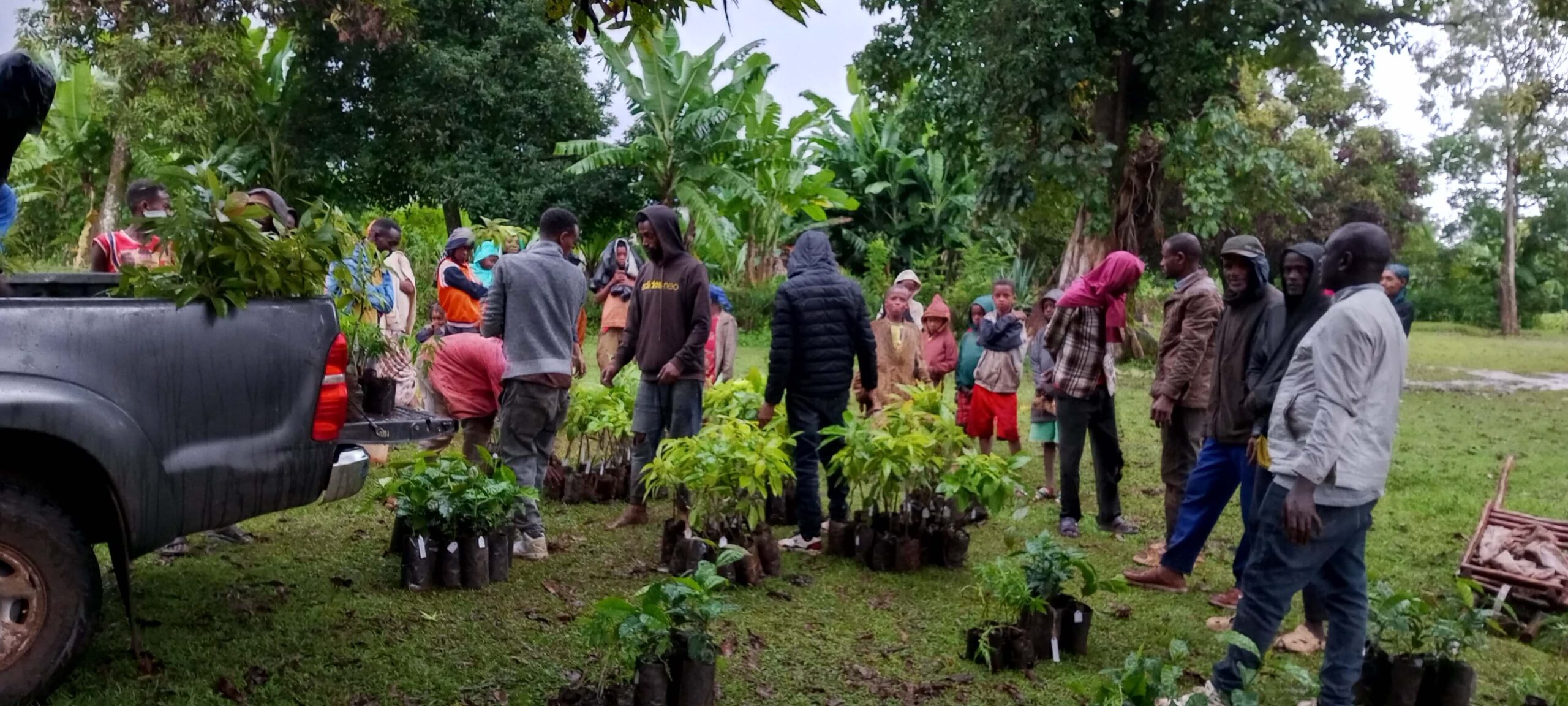
• Strengthen agroforestry systems by improving existing structures and introducing new.
• Close the research–practice gap through participatory, replicable field experiments.
Stakeholder Collaboration: multi-stakeholder engagement across local communities, research institutions, government agencies, and development partners to co-design and implement context-specific innovations.
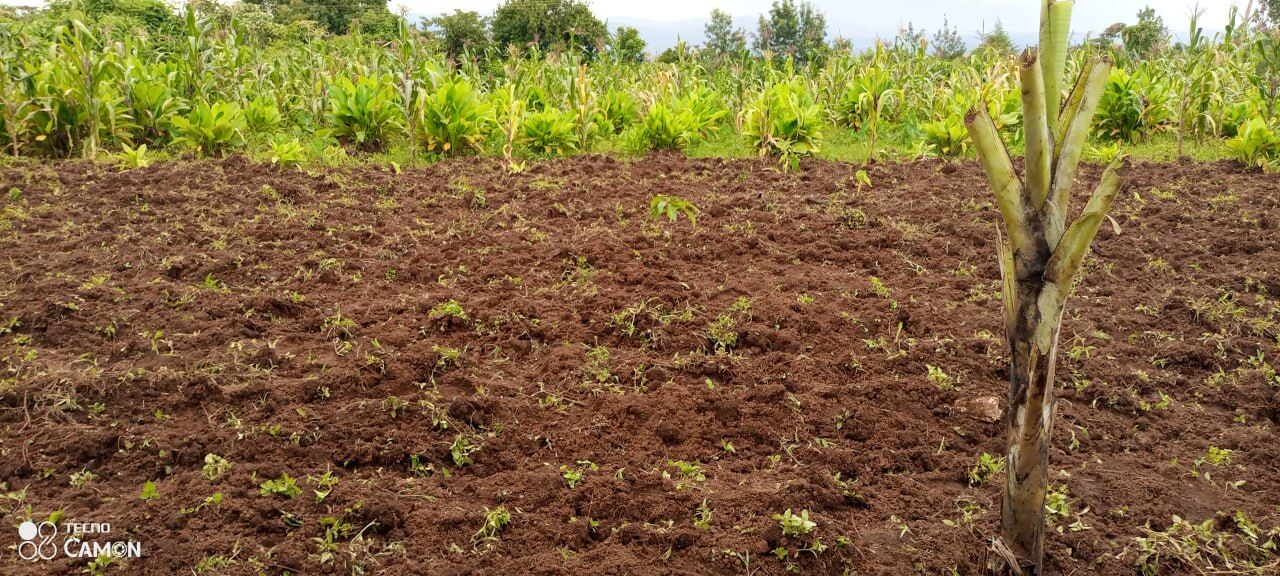
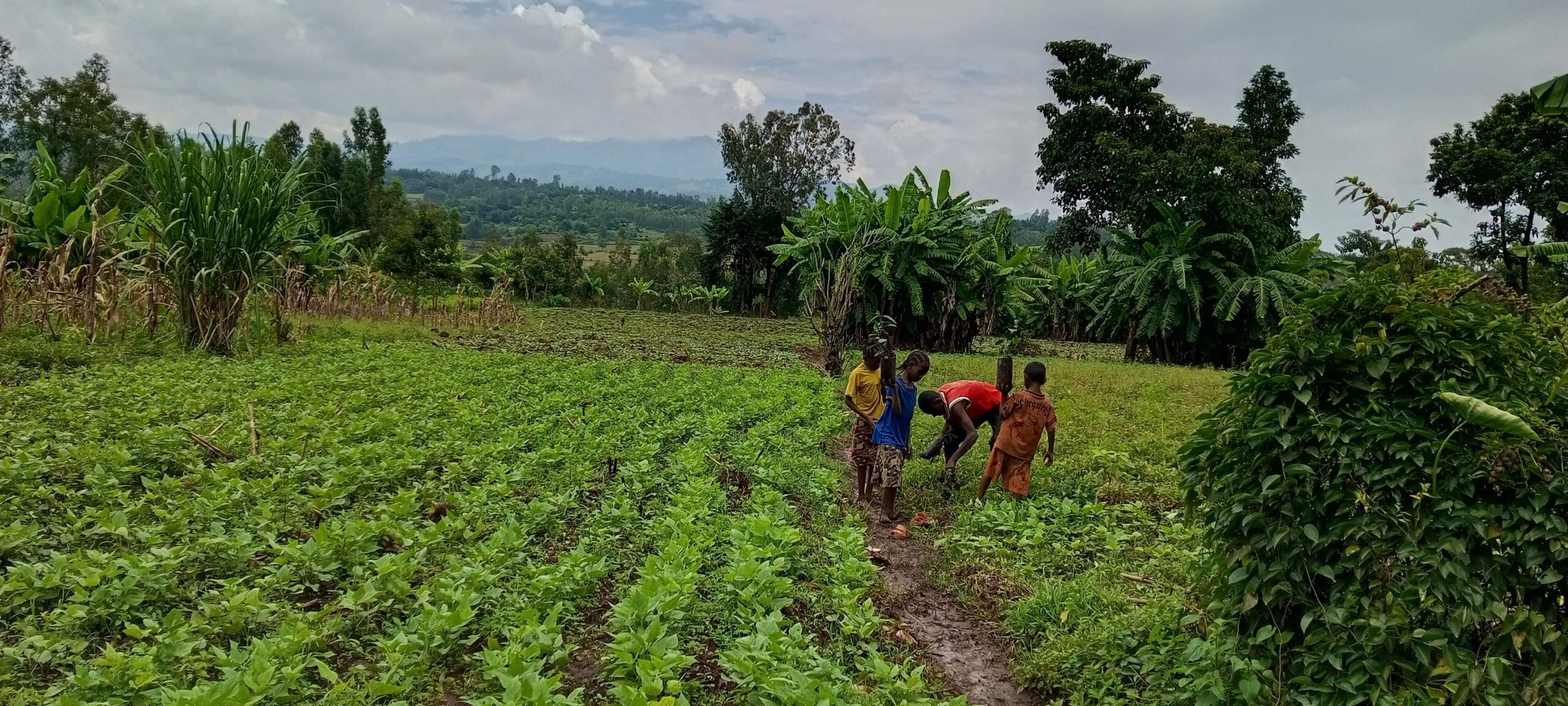
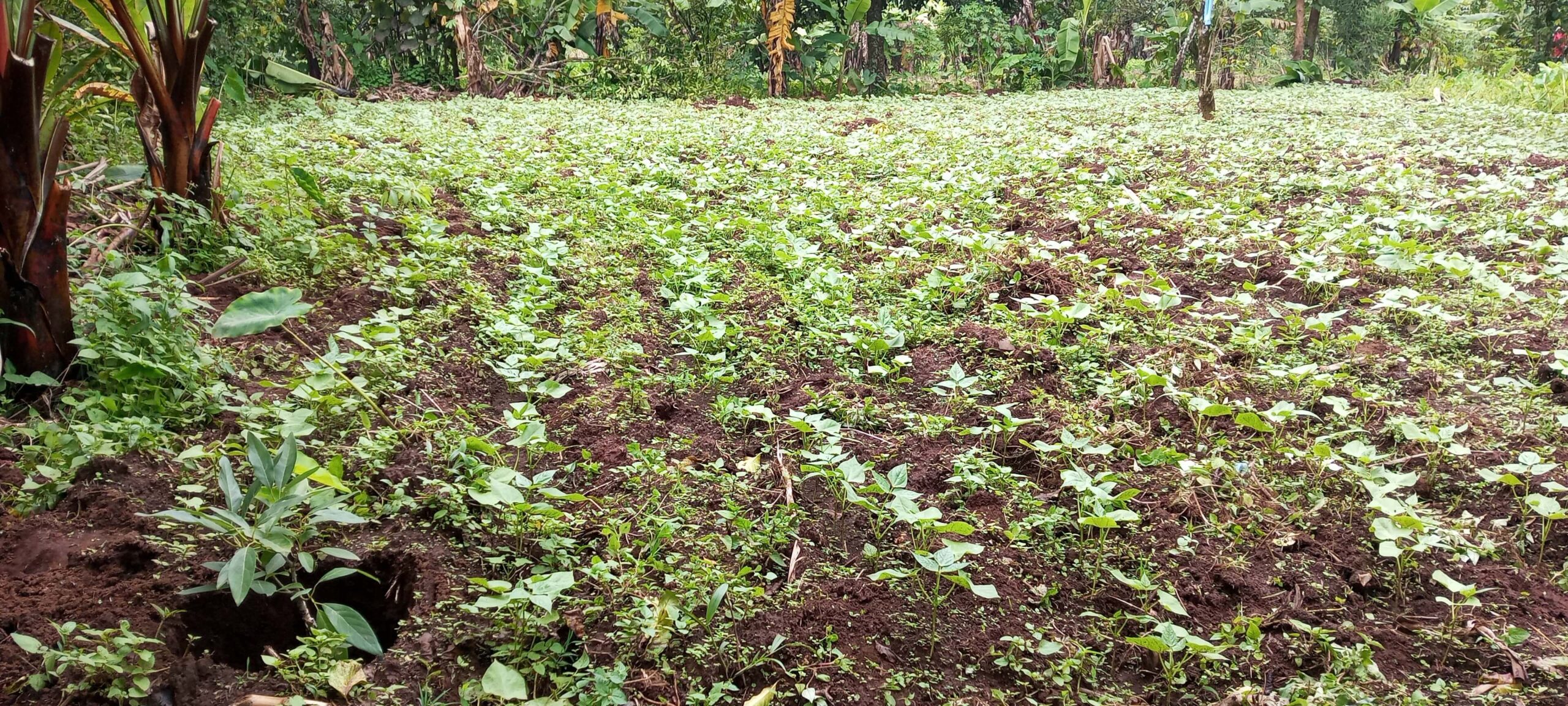
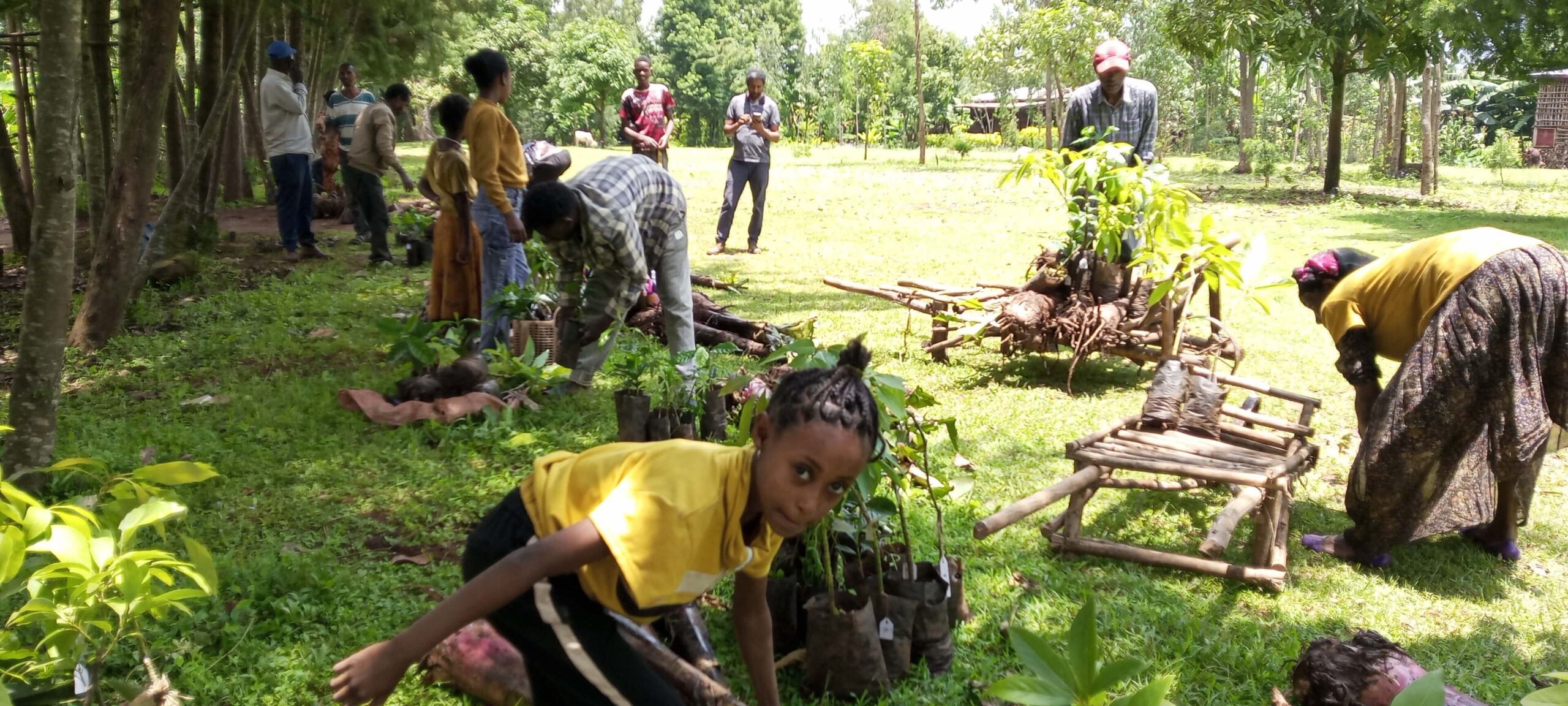
Agroforestry Practices: agroforestry in Wolaita is deeply rooted in tradition and characterised by multi-layered systems combining trees, crops, and livestock. Key practices include: tree–crop–livestock integration with manure enhancing soil fertility; living fences for boundaries, fodder, and erosion control; mulching with crop residues and leaf litters; organic soil amendments from household compost pits; small-scale irrigation to support fruit trees and vegetables; and diverse homegarden systems combining fruit trees (mango, avocado, banana, citrus, papaya), root crops (sweet potato, taro, enset), cereals (maize), and understory coffee.
Agroforestry interventions in the Wolaita Living Lab have generated ecological, nutritional, and socio-economic benefits, while also exposing persistent structural challenges.
Positive outcomes:
• Improved dietary diversity: Integration of fruit trees, coffee, livestock, and root crops ensures year-round food availability, each crop “with its own season.”
• Enhanced ecosystem health: agroforestry improves soil fertility, strengthens biodiversity, increases carbon sequestration, and stabilizes fragile slopes.
• Climate resilience: moisture retention and erosion control protect landscapes from seasonal shocks.
• Medicinal resources: indigenous species like Croton macrostachyus provide leaves and bark used in traditional medicine.
• Alignment with regional evidence: outcomes mirror East African research showing agroforestry boosts productivity and resilience.
Key constraints:
• High population density drives competition for land between farming, housing, and tree planting.
• Limited irrigation access, leaving fruit trees vulnerable during dry seasons.
• Reliance on organic inputs limits productivity when soil degradation is severe.
• Technical support gaps: Farmers need training in grafting, propagation, pruning, spacing, and pest management; extension services have limited capacity.
Gender & Youth: agroforestry involves all household members, but participation and benefit-sharing remain unequal.
• Women’s roles: mulching, weeding, fruit harvesting, seedling care, firewood and water collection, home garden management, marketing.
• Youth roles: labour-intensive work such as seedling propagation, manure handling, and garden management.
• Decision-making barriers: land ownership is male-dominated, limiting women’s and youths’ ability to plant long-term trees.
• Limited land access for youth: restricts adoption of innovations.
• Credit constraints: high interest rates, male-focused lending, and lack of tailored financial products prevent farmers, especially women, from investing in tools, inputs, or irrigation.
• Social norms restrict women’s influence in trainings, leadership, and community decisions.
Implementation partners:

Image Gallery

Funded by the European Union under the Horizon Europe Framework Programme Grant Agreement Nº: 101182176. Views and opinions expressed are however those of the author(s) only and do not necessarily reflect those of the European Union or of the European Research Executive Agency. Neither the European Union nor the granting authority can be held responsible for them.
Copyright 2025 Trans-Sahara