
Living Lab Ghana
-
Tindongo community, in the Upper East Region,
within the Savanna agroecological zone of northern Ghana - Climate: Semi-arid
Details:
- Key Challenge:
- Approach:
- Impact:
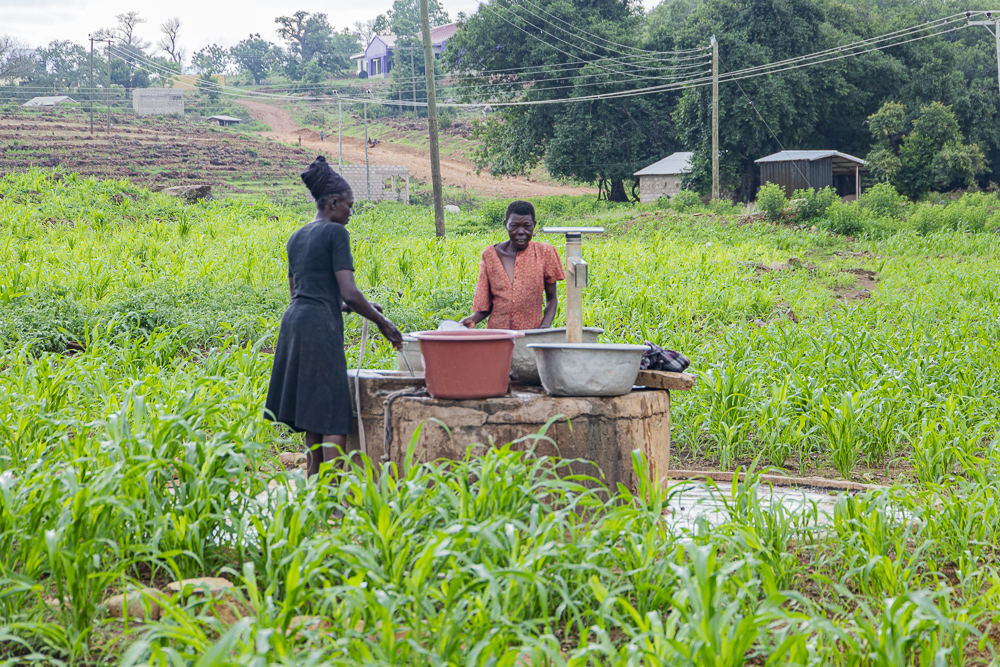
• Severe water insecurity: highly variable rainfall, non-functional boreholes, drying wells, and limited dry‑season irrigation restrict agricultural productivity and household resilience.
• Energy poverty: no access to national electricity, strong dependence on firewood and charcoal, leading to deforestation and reduced productivity in agro‑processing and storage.
• Soil degradation: rocky, lateritic soils with low fertility, shortened fallows, and high erosion reduce yields and limit adoption of improved practices.
• Climate vulnerability: rainfed agriculture and poor storage systems make households highly exposed to droughts and seasonal food shortages.
• Unequal access to land & resources: women and youth perform much of the labour but have limited land rights, restricted decision-making power, and poor access to credit and technologies.
• Limited capacity & infrastructure: irrigation, technical equipment, and institutional support remain insufficient, slowing innovation adoption and scaling.
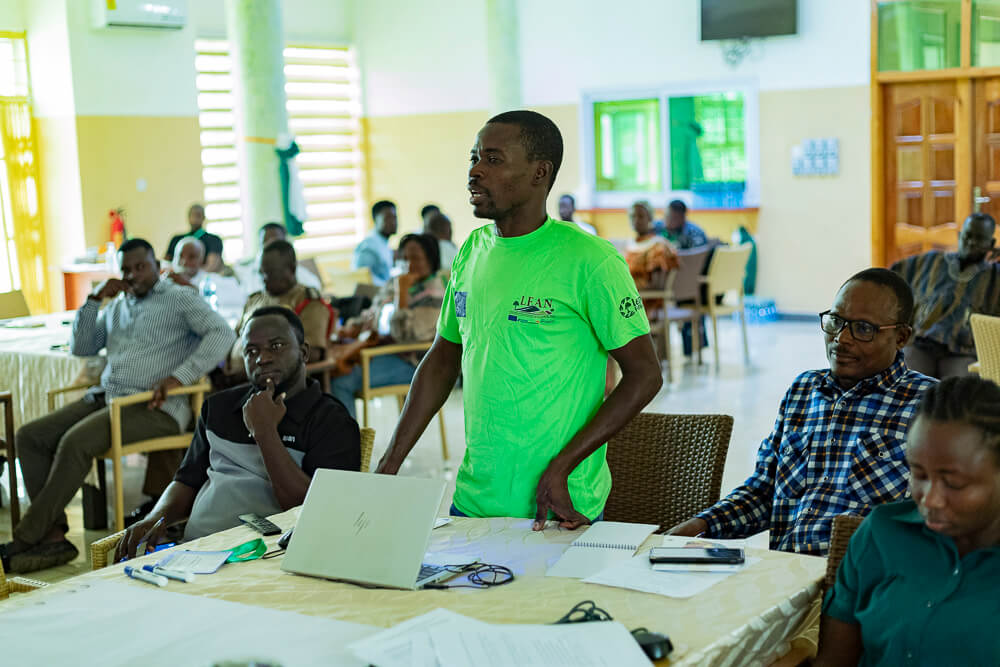
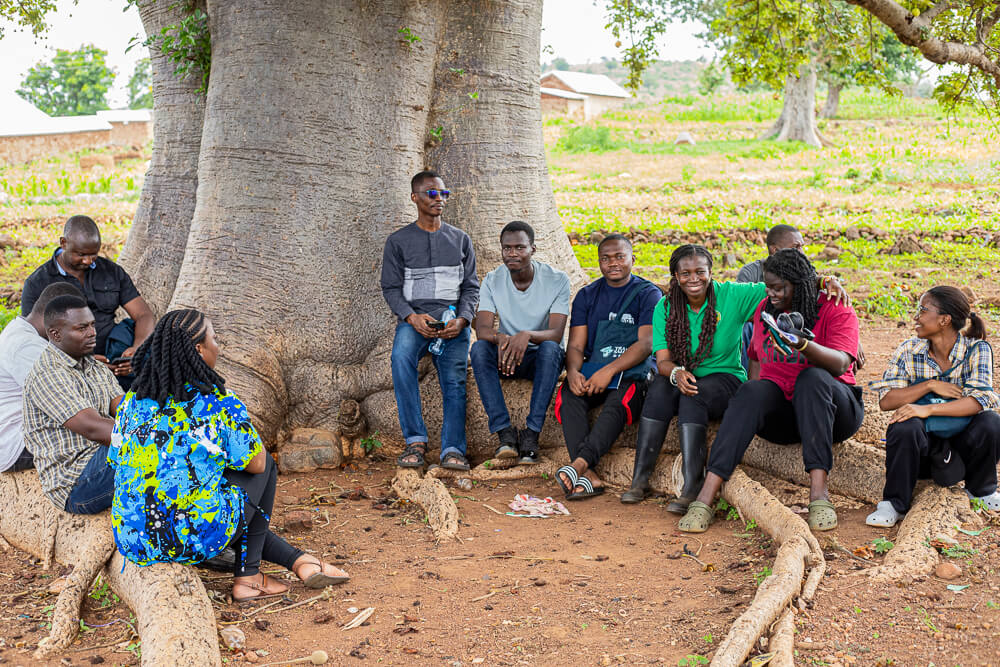
• Co-design with community stakeholders: multi-stakeholder workshops, local platform meetings, and field visits jointly identify priorities and build shared ownership of solutions.
• Agroforestry-centered interventions: promotion of parkland systems using species like Faidherbia albida, Senna, baobab, mango, and neem to enhance soil fertility, provide fodder, improve moisture retention, and diversify production.
• Landscape-level resource management: use of mulching, living fences, and tree–crop integration to reduce erosion, conserve water, and increase soil organic matter.
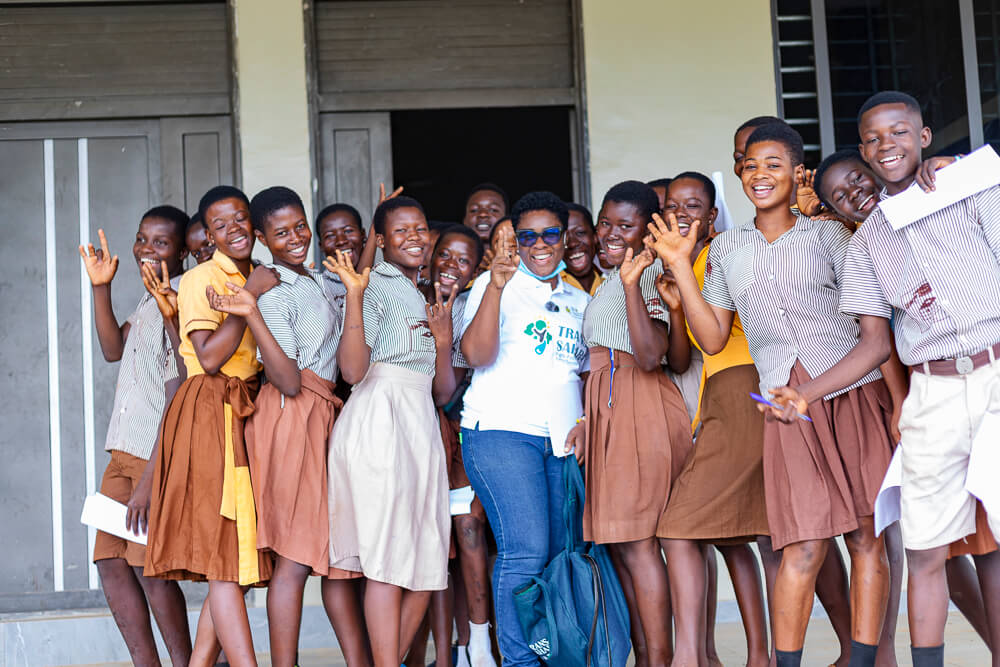
• Focus on women and youth inclusion: engagement of women’s groups and youth associations in seed selection, gardening, organic inputs, and collective learning spaces through cooperatives.
• Partnership-driven experimentation: collaboration with government institutions, traditional authorities, researchers, input suppliers, and farmers to test locally adapted technologies and management techniques.
• Testing clean energy solutions: exploring solar-powered boreholes, solar mini-grids, cookstoves, and battery-powered tools to reduce reliance on biomass and enable productive uses of energy.
Enhanced ecological resilience:
• Improved soil fertility through nitrogen-fixing trees and organic matter buildup.
• Better water retention in sandy soils thanks to mulching and tree-based moisture conservation.
• More diversified production systems that reduce vulnerability to drought and crop failure.
Strengthened local knowledge & cooperation:
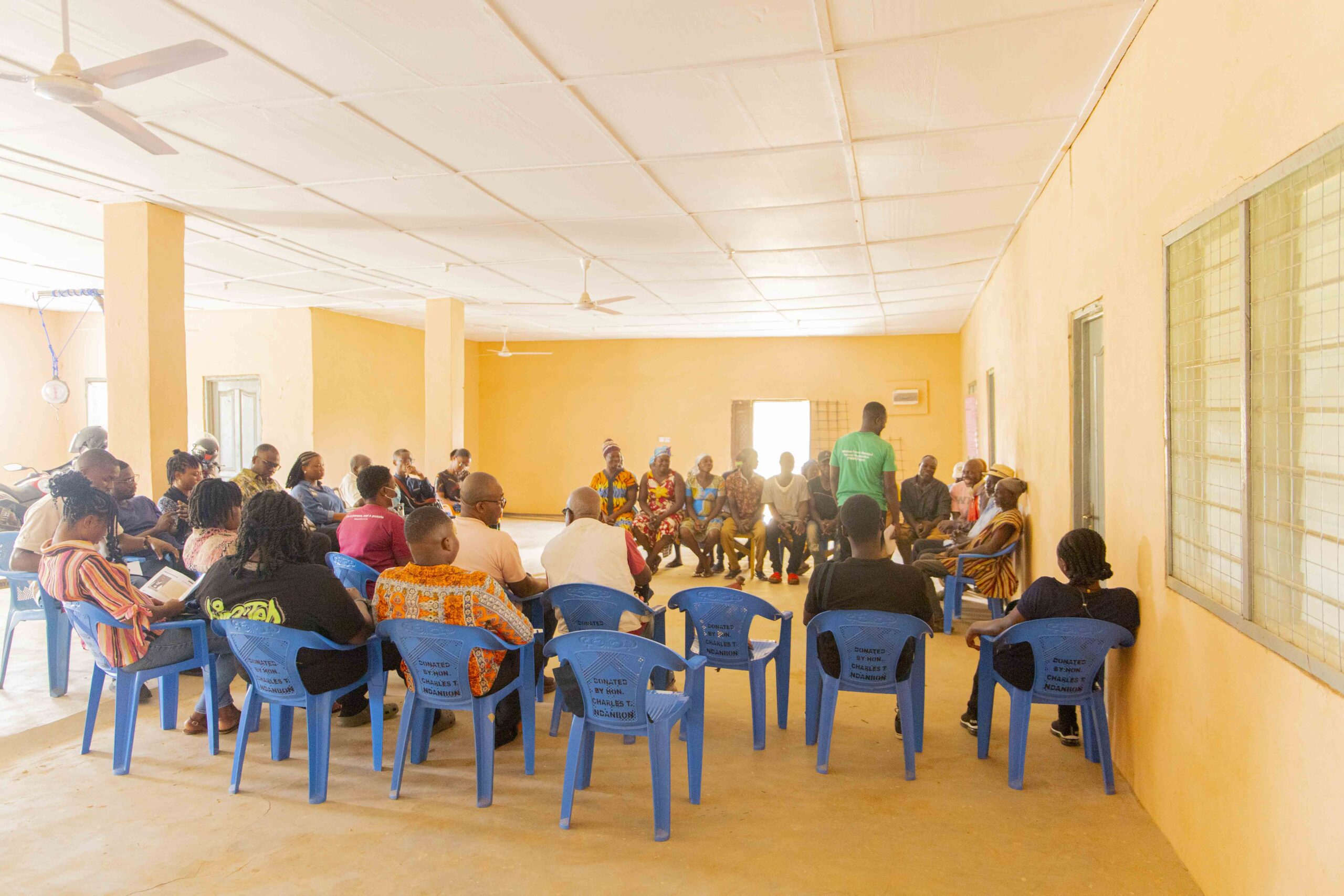
• Community consultations and platform meetings increased awareness of agroforestry benefits and built shared learning spaces.
• Functional cooperatives provided women with opportunities for collective savings, input access, and market engagement.
Early livelihood benefits with remaining barriers:
• Households gained from diversified crops, fodder, fruits, and tree products.
• However, water scarcity, labour constraints, and limited irrigation continue to restrict scaling and year-round production.
Gender & youth dynamics more visible:
• Women and youth play central roles in labour-intensive agroforestry practices.
• Persistent inequalities in land access, decision-making, credit, and leadership still limit their ability to benefit fully from innovations.
Implementation partners:

Image Gallery

Funded by the European Union under the Horizon Europe Framework Programme Grant Agreement Nº: 101182176. Views and opinions expressed are however those of the author(s) only and do not necessarily reflect those of the European Union or of the European Research Executive Agency. Neither the European Union nor the granting authority can be held responsible for them.
Copyright 2025 Trans-Sahara